A 0.2 kilogram apple dropped from 5 metres lands with about 9.81 joules of energy. Drop that same apple from 30 metres and it hits with around 58 joules. The weight never changed. The height did. Major helmet standards test the crown to around 49 joules. EN 397 in Europe and AS/NZS 1801 in Australia and New Zealand both use that figure, and the US standard, ANSI Z89.1, sits in the same range. So that apple from 30 metres already exceeds what a hard hat is built to absorb. Now picture a hammer or a wrench instead of an apple.
The Drops Calculator turns that idea into a number you can act on. You enter two things, the mass of the object and the height it could fall from, and it returns the impact energy in joules along with a severity rating.
- Slight: A First Aid Case (FAC). Low risk of injury; any required treatment will typically be limited to basic first aid.
- Minor: A Medical Treatment Case (MTC). The injury requires medical attention beyond first aid but does not lead to time away from work, restricted duties, or job transfer.
- Major: A Lost Time Incident (LTI). A serious injury that prevents the person from working for a period of time. Also known as a Day Away From Work Case (DAFWC).
- Fatality: A fatal incident in which the injury leads to loss of life.
The numbers climb fast. A 1.5 kilogram hammer from 5 metres is a Major incident. The same hammer above 7.5 metres reaches the Fatality band. An 8 kilogram crowbar sits in the Fatality band from under 2 metres.
Before you start work at height, run the check:
- List the tools and objects going up with you, and their weight
- Note the height you will be working at
- Enter both into the calculator
- Look at the severity rating for the heaviest item
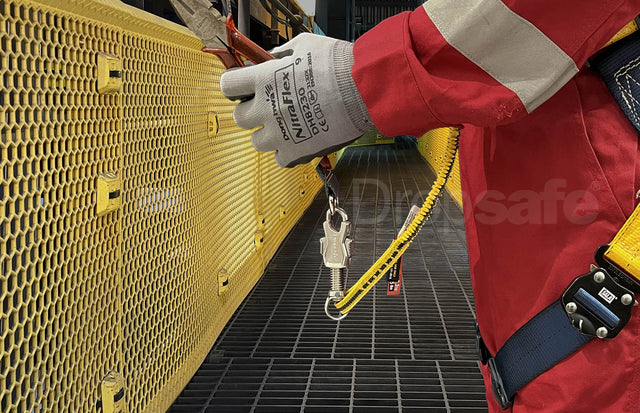
The rating does not tell you whether controls are worth the effort. It tells you how little room for error you have. Tether every tool, use pouches and bags with closed tops, and keep exclusion zones below you with people kept clear.